Wicked: For Good: Il Potere del Cambiamento
di Maria Elena Gutierrez
Nel monumentale fantasy musicale della Universal Pictures "Wicked: For Good", il regista Jon M. Chu conclude il racconto iniziato con il suo film del 2024 "Wicked". Basato sul musical di Broadway messo in scena per la prima volta nel 2003, a sua volta adattato dal romanzo di Gregory Maguire del 1995 "Wicked: Vita e tempi della Strega Malvagia dell'Ovest", entrambi i film vedono come protagonisti Cynthia Erivo nel ruolo di Elphaba, Ariana Grande in quello di Galinda – in seguito chiamata Glinda – e Jeff Goldblum nei panni del Mago di Oz.
"Wicked: For Good" è innegabilmente un film abbagliante. Ogni reparto dà il massimo per trasportare il pubblico nel meraviglioso mondo di Oz, una terra fantastica piena di luce e colore. Lo scenografo premio Oscar Nathan Crowley evoca un mondo di magia e delizia realizzato meticolosamente, catturato magnificamente dalla splendida fotografia di Alice Brooks.
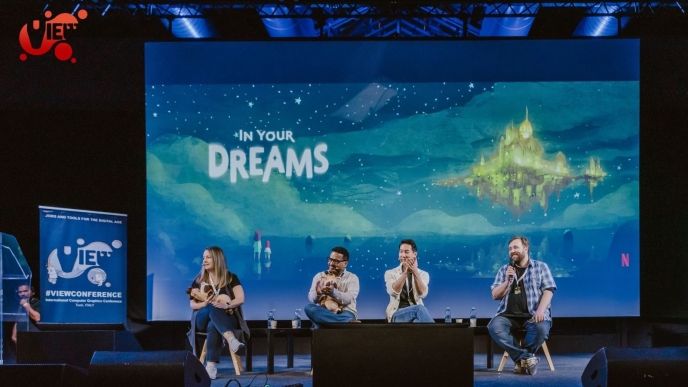
Il team degli effetti visivi (VFX), guidato da Pablo Helman della ILM, merita una menzione speciale per la mozzafiato gamma di effetti visivi del film. Insieme al supervisore dell'animazione di Framestore, Dale Newton, Helman ha tenuto una presentazione straordinaria alla VIEW Conference 2025, descrivendo nei dettagli la creazione di panorami mozzafiato, estensioni dei set senza soluzione di continuità, personaggi animati avvincenti e, naturalmente, tutte le scene in cui la magia e l'incanto sono protagonisti.
Sotto questo splendore visivo si celano messaggi profondi che ci invitano a riflettere su un mondo che è molto più vicino a noi di quanto sembri. Questo sottotesto è evidente fin dall'inizio. Dopo la decisione trasformativa di Elphaba di "Sfidare la Gravità" alla fine di "Wicked", tutto è cambiato. Elphaba è ora il Nemico Pubblico Numero Uno, un fatto annunciato dalla cinica esperta di comunicazione del Mago, Madame Morrible (Michelle Yeoh), ancor prima che il globo della Universal Pictures abbia finito di ruotare sullo schermo cinematografico. "Proteggete i vostri figli", dice Morrible. "Non fidatevi degli animali. Lei (Elphaba) sarà eliminata".
Non appena abbiamo assorbito la bellissima inquadratura d'apertura del film – un magnifico prato nella Terra dei Mastichini – la pace viene infranta dall'arrivo di macchine su scala industriale che costruiscono la nuova Strada di Mattoni Gialli. Aratri meccanici masticano il paesaggio, trainati da bestie da soma visibilmente sofferenti sotto il giogo: proprio quegli animali a cui si riferiva Morrible, ora derubati dei loro diritti e sfruttati come manodopera schiavizzata. Persino la strada stessa non è ciò che sembra: quei mattoni potrebbero sembrare lingotti d'oro, ma in realtà sono rozzi sostituti coperti di economica vernice gialla.
Mentre entrano in vigore nuove leggi, vediamo cartelli che recitano: "Niente Animali" e "Niente Mastichini", un chiaro riferimento alla segregazione razziale. Più tardi, Elphaba scopre il segreto più oscuro del Mago: una catacomba nascosta dove sfortunati animali giacciono imprigionati in file di gabbie sporche, come indesiderati nei campi di immigrazione. Nel frattempo, Morrible continua a versare il suo veleno nelle orecchie della popolazione, sfornando opuscoli e trasmettendo le sue bugie in un modo che ricorda in modo agghiacciante il Ministero della Verità del Grande Fratello nel romanzo distopico di George Orwell "1984".
Ecco, dunque, la prova innegabile di ciò che già sappiamo: che il Mago non è il sovrano benevolo che il suo popolo crede, ma un dittatore autoritario. Sebbene ami mettere in scena uno spettacolo spettacolare, la sua cosiddetta magia è solo un'illusione: non ha poteri speciali e si cura solo di se stesso. Eppure, sostiene che le sue mani siano legate. "Non smetteranno mai di credere in me", dice, riconoscendo una verità tanto oscura per Oz quanto conveniente per lui, "perché non vogliono smettere". Scegliete un leader attualmente al potere sulla scena mondiale e chiedetevi: vediamo dei parallelismi tra loro e il Mago che vediamo in "Wicked: For Good"?
Schierandosi con gli animali maltrattati, Elphaba lancia un chiaro messaggio politico. Mentre la propaganda di Morrible la identifica come una terrorista, lei d'altra parte si considera una combattente per la libertà, riconoscendo ciò che non va in Oz e volendo portare un cambiamento. Facendo eco alle preoccupazioni odierne sui leader volubili e il caos che possono scatenare, la sua accorata canzone "No Place Like Home" riprende la classica frase de "Il Mago di Oz" e la trasforma nel lamento sincero di qualcuno che si sente alienato in un paese dove dovrebbe sentirsi al sicuro e desiderato. "Perché amo questo posto che non mi ha mai amata?", canta. Per quanto triste, la canzone è piena di speranza, poiché Elphaba sostiene che, sebbene Oz sia solo una terra "fatta di sporco, roccia e terriccio", racchiude anche la promessa di qualcosa di meglio. Qualcosa di meraviglioso.
Pur essendo ricco di temi che fanno riflettere, "Wicked: For Good" riesce a deliziare il suo pubblico con spettacolo e canzoni. Le scene che brillano di più sono quelle in cui Cynthia Erivo e Ariana Grande condividono lo schermo nei ruoli di Elphaba e Glinda. Le loro interpretazioni sono potenti e ricche di sfumature, e i duetti che cantano insieme sono sublimi. È una gioia vedere due artiste così talentuose abitare i loro personaggi così pienamente, portando un tale impegno nei loro ruoli, ognuna nutrendosi dell'energia dell'altra.
Ogni interprete abbaglia il pubblico con la propria bellezza unica, ulteriormente celebrata dallo straordinario lavoro del reparto costumi, trucco e acconciatura, luci e fotografia... l'elenco potrebbe continuare. L'epitome della popolarità, Glinda scivola attraverso le sue scene come un'eterea reginetta del ballo, vestita con scintillanti abiti da sera e irradiando un bagliore degno della regalità delle fate. Al contrario, la bellezza dell'eternamente incompresa Elphaba è radicata in una fisicità più terrena, che riflette la sua affinità con il mondo naturale e, in particolare, con la comunità oppressa degli animali parlanti di Oz.
Esteriormente, quindi, Elphaba e Glinda sono opposti totali, provenienti da mondi diversi e alla ricerca di obiettivi radicalmente divergenti. Eppure, in quelle memorabili scene condivise, la prima cosa che vediamo è il loro affetto reciproco. Anche quando questi due personaggi sono in conflitto, il loro amore risplende. Quando Glinda vede Elphaba apparentemente morire davanti ai suoi occhi, il suo dolore è reale... e lo è anche il nostro.
La partenza di Elphaba è messa in scena in modo intimo, così che noi, il pubblico, condividiamo il punto di vista di Glinda mentre spia dall'armadio in cui è nascosta. La decisione dei registi di presentare la morte di Elphaba in questo modo accresce la nostra empatia per Glinda. Allo stesso tempo, gioca con le convenzioni del cinema, ricordandoci che l'esperienza di andare al cinema è essa stessa un atto di voyeurismo. Attraverso l'uso di giochi d'ombra, il regista richiama le origini teatrali del materiale originale – non solo lo spettacolo teatrale "Wicked", ma anche il film del 1939 "Il Mago di Oz", che a sua volta scaturiva dalle tradizioni del vaudeville risalenti all'inizio del XX secolo.
Siamo inoltre incoraggiati a entrare in empatia con Elphaba. Quando alla fine scopriamo che è sopravvissuta al suo incontro con Dorothy (Bethany Weaver), inscenando di fatto la propria morte, capiamo che Elphaba era motivata da qualcosa di più del semplice desiderio di sfuggire alla sua vita di persecuzione in Oz. Le sue azioni hanno anche salvato il suo nuovo amore Fiyero (Jonathan Bailey) e dato a Glinda l'opportunità di crescere in un modo che sarebbe stato impossibile senza il sacrificio di Elphaba. Ora, dopo aver già aperto gli occhi di Fiyero su un modo diverso di vedere il mondo, e nel suo atto finale come veicolo essenziale di cambiamento della narrazione, Elphaba dice a Glinda prima di separarsi per l'ultima volta: "Hanno bisogno che qualcuno sia Malvagio (Wicked), così che tu possa essere Buona (Good)".
Per tutte queste ragioni e altre ancora, le scene finali di "Wicked: For Good" sono ricche di emozione autentica, mentre Elphaba e Fiyero iniziano il loro solitario viaggio attraverso il Deserto Mortale verso la Terra Oltre Oz, e Glinda assapora il suo primo assaggio di vera magia quando il Grimmerie finalmente si apre per lei. È l'amicizia di questi due personaggi indimenticabili, il cui viaggio abbiamo condiviso attraverso due film spettacolari, che li ha portati a questi punti di svolta. Veramente, da questo momento in poi, sono entrambi cambiati per sempre.